Menu
Icon: logo-leimer

How to make the perfect schnitzel breading

Rezept-Inspiration

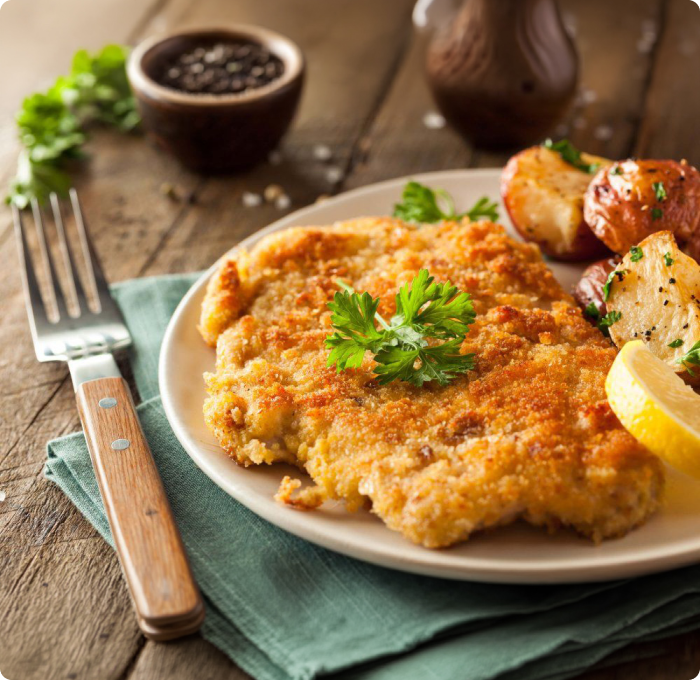
You can tell a good schnitzel right away: golden brown, light, and deliciously crispy. To get the breading just right, a few key details make all the difference—from the correct order of steps when breading to the technique used for frying.
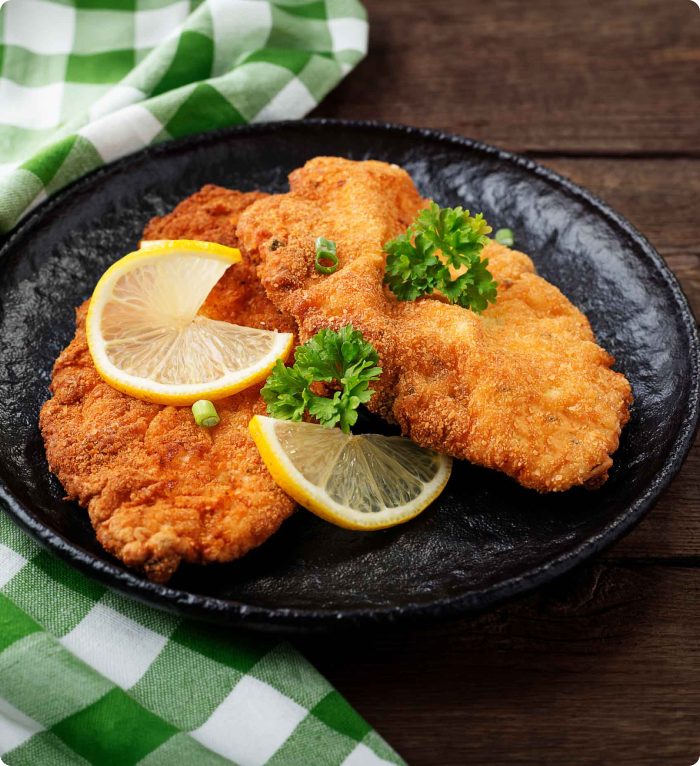
The key to the perfect schnitzel: the right breading 

A successful schnitzel breading should: 


  • be light and airy
  • be fried to an even golden brown
  • come away easily from the meat
  • crunch crisply when cut


To achieve exactly this effect, three things are particularly important: the correct breading sequence, enough fat in the pan, and the so-called soufflé effect. 

The choice of breadcrumbs is crucial

High-quality breadcrumbs are especially important for a perfect schnitzel coating. LEIMER breadcrumbs ensure: 


  • an even coating
  • a light, airy texture
  • a beautiful golden-brown color when fried
To the recipe for Wiener Schnitzel
To the product page

The classic three-plate system

The key to a perfect schnitzel coating is following the correct order when breading. 

Prepare three plates:
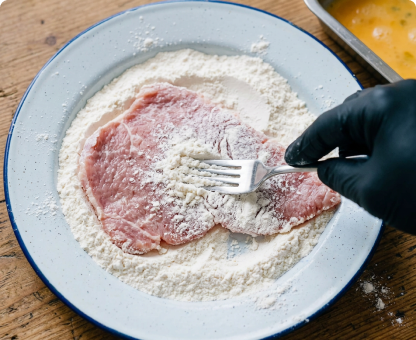
Coat in flour

First, gently flatten the cutlet and season it with salt and pepper. Then coat the cutlet in flour.
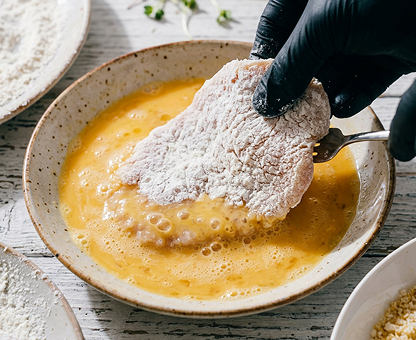
Dip in beaten egg

Beat two eggs in a plate, then dip the floured cutlet into the egg so that the breading sticks well.
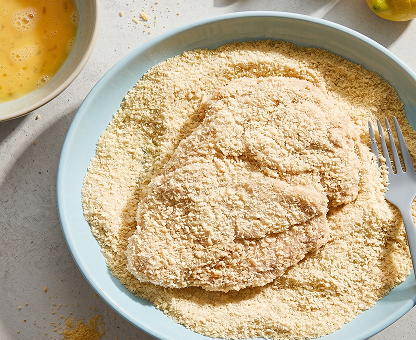
Breading with LEIMER breadcrumbs

Important: Do not press the breading down too firmly. It should remain loose so that it can puff up nicely while frying.
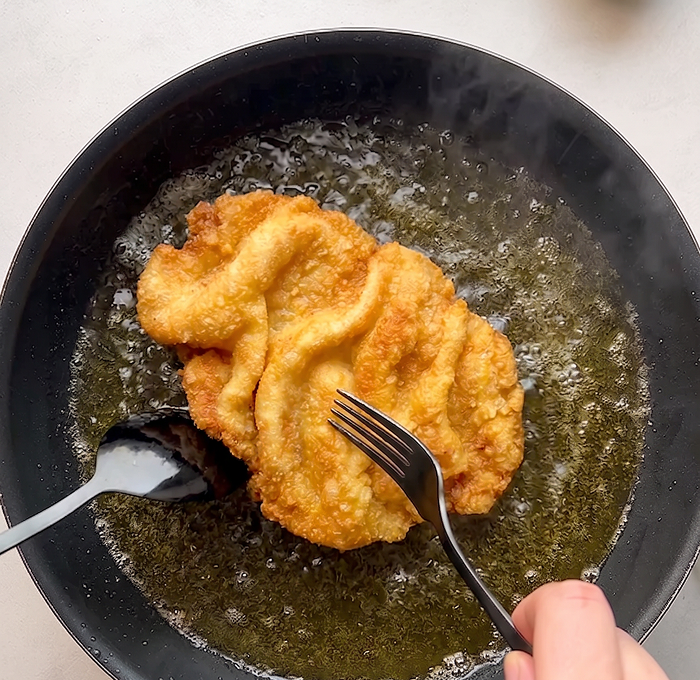
Use enough fat for frying

If there isn't enough fat in the pan, the schnitzel often won't brown evenly. The best options are:  


  • Clarified butter for a classic flavor
  • or, alternatively, canola or sunflower oil  


Fry over medium heat until the breading is golden brown without burning.

The famous soufflé effect

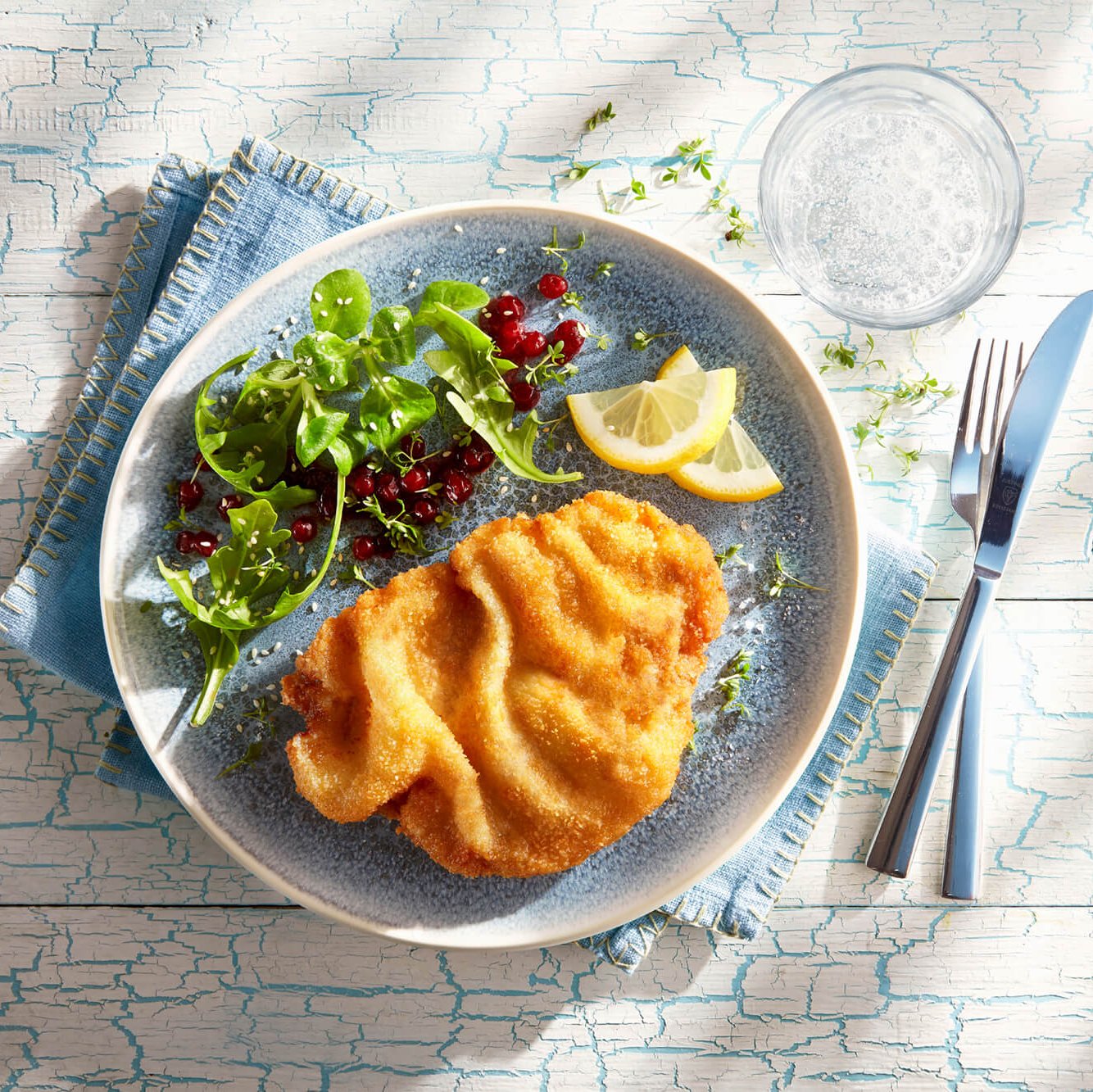
The key to a light and airy schnitzel coating is what’s known as the “soufflé effect.” While frying, gently rock the pan back and forth. This causes the hot oil to repeatedly splash over the schnitzel. The result:  


  • small ripples in the breading
  • a light, airy texture
  • an especially crispy surface  


This is exactly how you create the classic Viennese schnitzel experience. 

Common schnitzel mistakes - and how to avoid them

The foundation for a perfect schnitzel breading is the correct order when breading. Prepare three plates:

The breading is falling off 

The most common cause is using the wrong order for breading or not pressing the breading firmly enough. 

The schnitzel isn't crispy

Most of the time, there isn't enough fat in the pan, or the heat is too low.

The breading is getting too dark

The pan is too hot, or the oil is burning.

Optional: with panko breadcrumbs

Extra light, deliciously crispy, beautifully golden. The secret: fine, fluffy flakes from Asian cuisine.

Viennese Schnitzel or Schnitzel Viennese Style?

The Wiener Schnitzel is so iconic that, traditionally, it may only be called “Wiener Schnitzel” if it’s made from veal—and this applies internationally, not just in Austria.


If pork is used instead, the menu usually lists it as “Schnitzel Wiener Art.” It’s a small detail—but that’s exactly what makes this classic so special. And when you make it at home, one thing matters most: it should be golden brown, crispy, and served with a squeeze of lemon.

Inspiration for Your Kitchen

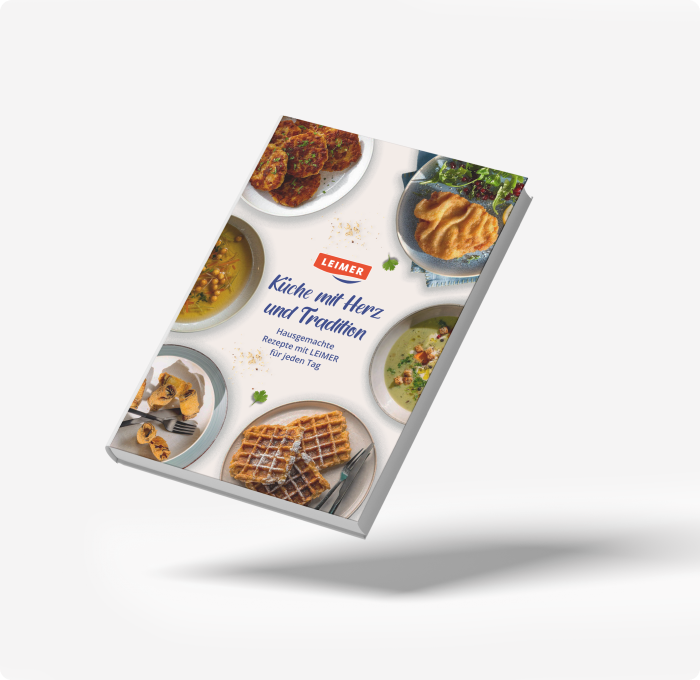
You’ll find more delicious recipe ideas in our cookbook, “Cooking with Heart and Tradition”- carefully curated for everyone who appreciates fine food and quality.

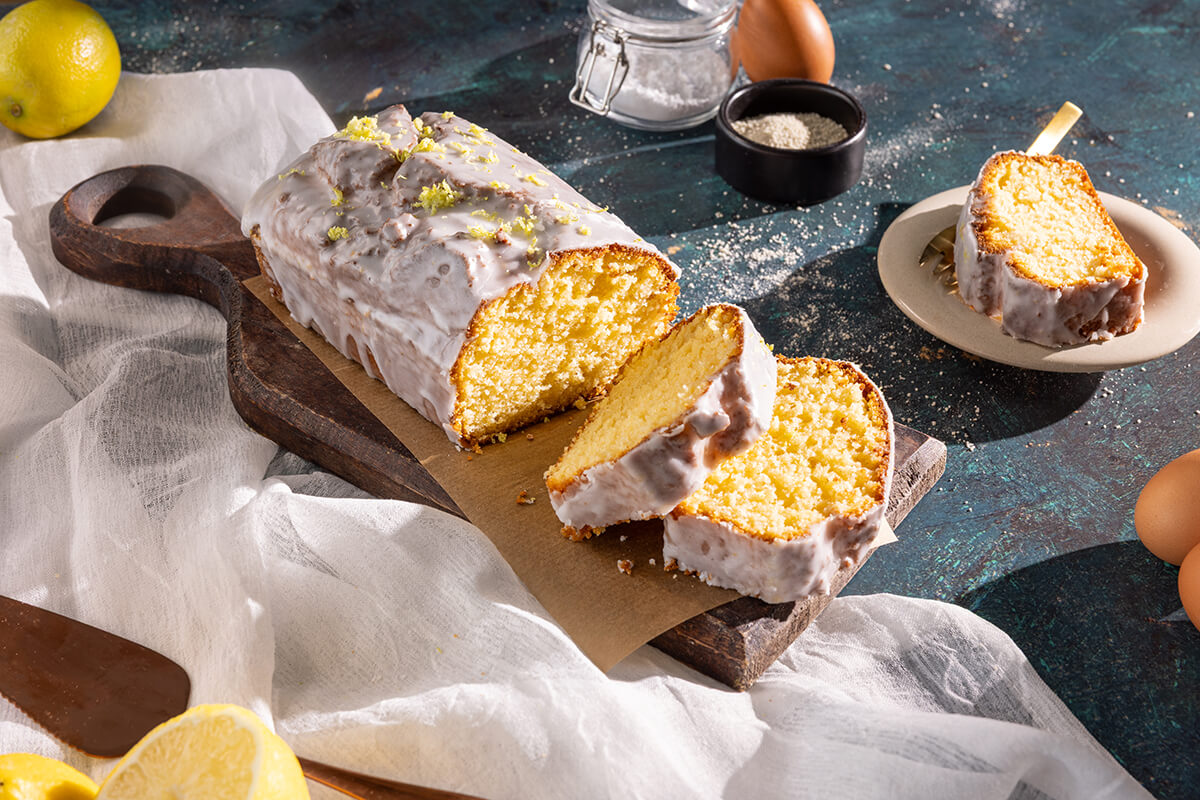
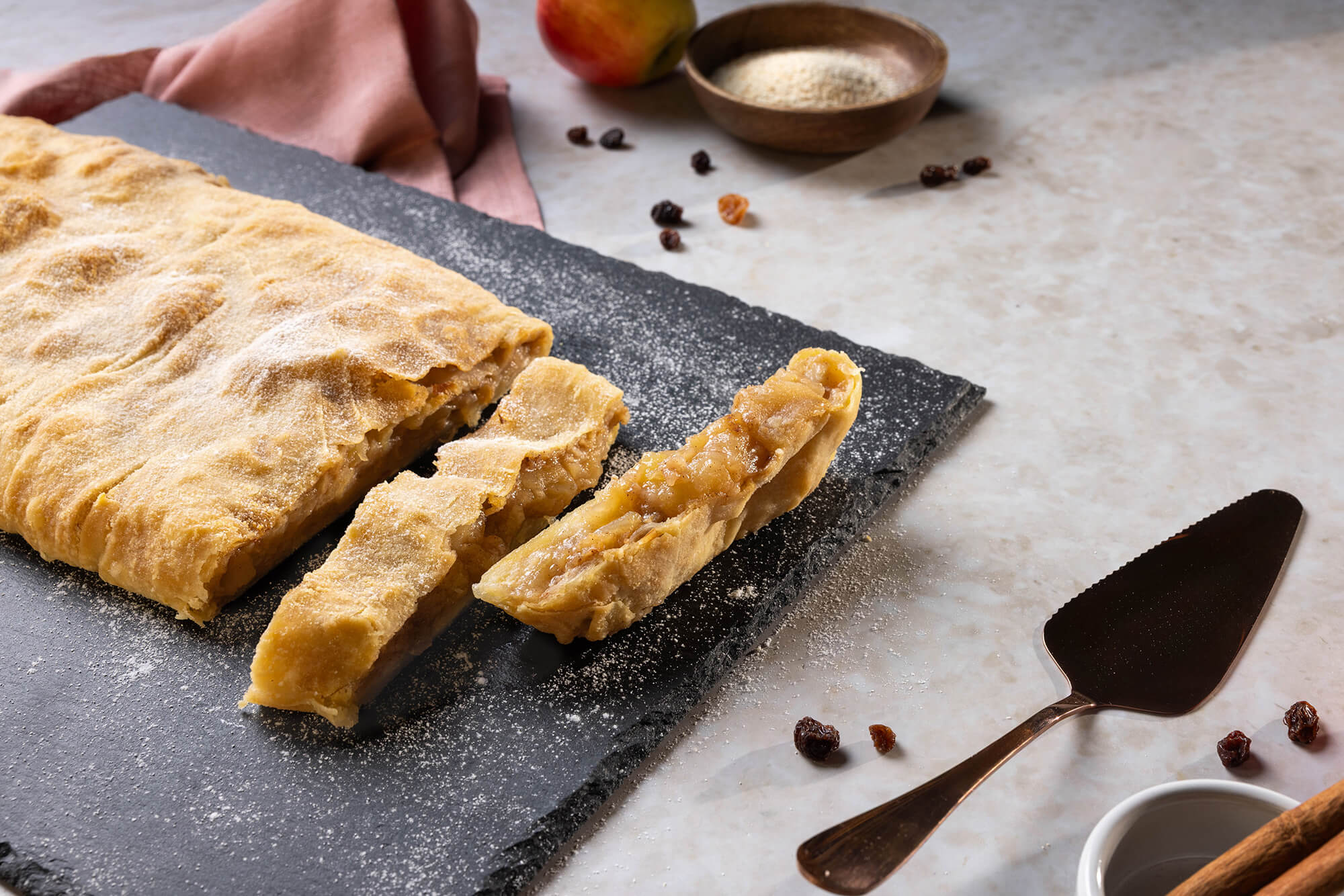
Would you like some dessert?